The Studio-Grown Designer: A Paid Junior Track for Practices of Five or Fewer
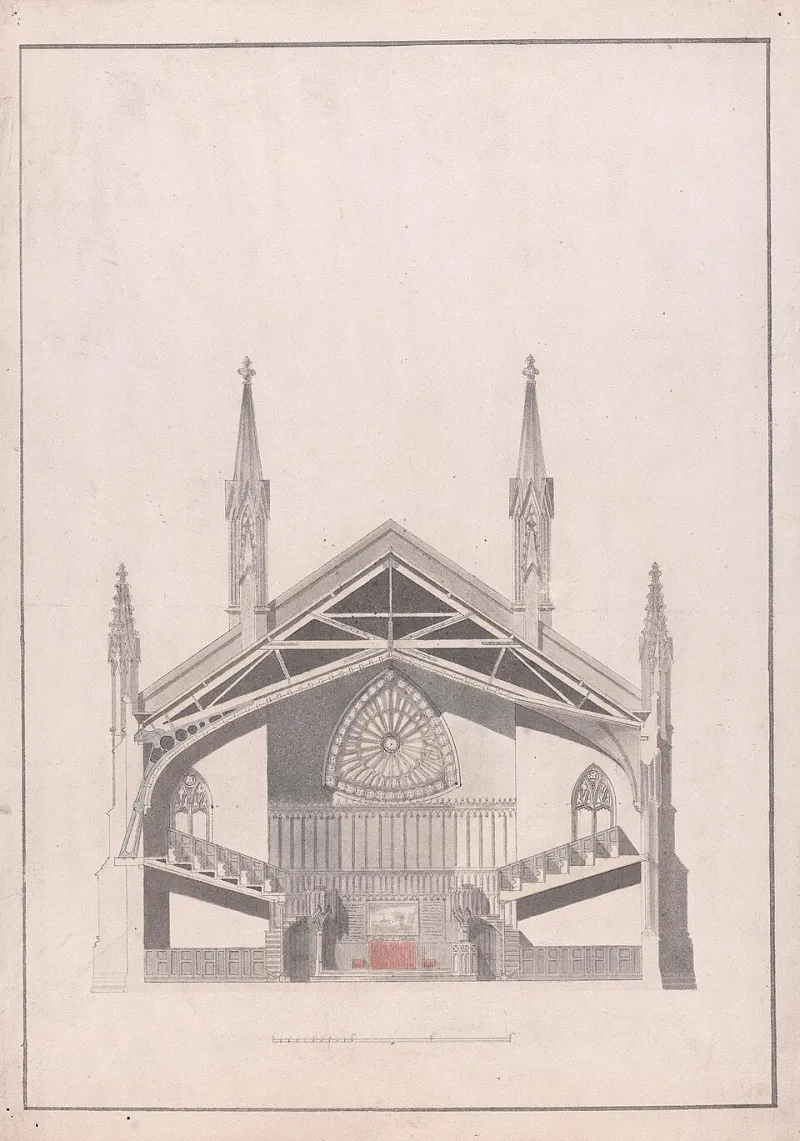
Photo: Jeffry Wyatville, CC0, via Wikimedia Commons
Small design studios frequently report the same frustration: junior designers are hard to find, harder to train, and costly to get wrong. The complaint is familiar, but the remedy is often missing. Many practices of five or fewer rely on informal hiring, short internships, or a hope that a promising candidate will arrive fully formed. That approach serves neither the studio nor the emerging designer. A more disciplined option is available: a paid junior track built around the apprentice model rather than the internship frame.
The distinction matters. Internships are often brief, credit-oriented, and ambiguous in status. Apprenticeship, by contrast, implies employment, supervised practice, and a planned progression from assisted work to independent contribution. For a small US studio, that shift is not merely semantic. It clarifies wage obligations, sets expectations for mentorship, and gives both parties a repeatable structure to evaluate.
Why the Internship Frame Undersells Both Parties
The conventional internship model tends to compress training into a semester, blur the line between learning and production, and leave the studio without a durable hiring decision. It can also create wage-and-hour exposure when unpaid interns perform work that benefits the business. Under the Fair Labor Standards Act and various state laws, the safest posture for a studio that needs real contribution is straightforward: pay the junior for the work, classify the position properly, and treat training as part of the job rather than a substitute for wages.
The apprentice frame does not require a formal registered apprenticeship through the US Department of Labor, though that route exists for some trades and occupations. For most small design studios, a well-documented employment track is sufficient. What matters is that the role is paid, supervised, time-kept, and bounded by a written plan. The studio gains a pipeline it can shape. The junior gains income, mentorship, and a credible record of professional experience.
Scope: What the Junior Track Should Cover
A junior track should not be a catch-all for administrative tasks. Its purpose is to build design competence through supervised production. For a studio of five or fewer, a reasonable scope includes production support on client files, preparation of working comps, asset organization, research for discovery and content work, and participation in internal critique. The junior should not be the sole contact for a client or the only person responsible for final deliverables.
Write the scope into a one-page role description. Specify the primary designer who supervises the junior, the expected weekly schedule, and the categories of work that require review before delivery. A 32- to 40-hour week is typical for a paid junior role, though part-time arrangements can work if the mentorship schedule is protected. The key is that the scope is narrow enough to teach and broad enough to be useful.
Pay Bands and Classification
Treat the junior as an employee unless a qualified adviser confirms otherwise. In most small studios, that means an hourly, non-exempt position with overtime pay where applicable, accurate timekeeping, and compliance with state and local wage laws. Pay bands vary by market, but a defensible entry range for a junior design role in many US metros in 2026 is roughly $22 to $28 per hour, or approximately $45,000 to $58,000 annualized for full-time work. Studios in higher-cost markets should adjust upward; studios in lower-cost markets should still verify local minimums and competitive norms.
The budget should include employer payroll taxes, workers' compensation, and any benefits the studio offers. Do not rely on unpaid trial projects, stipends below minimum wage, or credit-only arrangements to fill the gap. Those practices invite legal risk and undermine the educational purpose of the track.
Mentorship Hours That Are Actually Budgeted
A junior track without protected mentorship is simply low-cost production. Budget four to six hours per week of direct supervision for the first twelve weeks. That time should include a weekly critique, a short planning session, and periodic shadowing of client calls or internal reviews where appropriate. The mentor's hours are work time and should be scheduled, not borrowed from evenings or personal time.
Document the mentorship plan. Note who conducts each review, what portfolio artifacts are discussed, and what the junior is expected to demonstrate by the end of the period. This record supports the review gate and gives the junior a fair basis for feedback.
Portfolio and Credit Terms
Small studios often hesitate to hire juniors because they fear uncontrolled portfolio use or client confidentiality breaches. Address both in writing at the outset. The studio typically owns client deliverables and work product; the junior may retain ownership of personal process artifacts such as sketches and learning notes, subject to client confidentiality. Public portfolio use should require permission and should follow the client's disclosure preferences.
Credit terms can be simple. The junior may list the studio and the role on a résumé and portfolio. Case studies may identify the junior's contribution after the work is public and the client has approved disclosure. Internal work may be shown in confidence during interviews. Put these terms in the offer letter or a short addendum, and review them again at the twelve-week gate.
The Twelve-Week Review Gate
Set a formal review at the end of twelve weeks. Evaluate three things: craft development, reliability, and communication. Use a simple written rubric and hold the meeting even if the outcome seems obvious. The decision should be one of three: continue in the role, extend with a specific improvement plan, or conclude the arrangement with appropriate notice. A review gate is not a probationary gimmick; it is a scheduled checkpoint that protects both parties from drifting.
A Repeatable Template, Not a Plea
The value of this model is that it can be repeated. A studio of five or fewer does not need a human resources department to run it. It needs a role description, a pay band, a mentor schedule, portfolio terms, and a review date. Those documents take an afternoon to prepare and can be revised after each cycle.
The broader point is one FNAD has made before: small studios build their own capacity through deliberate practice, not through waiting for the market to supply it. A paid junior track is one such practice. It treats the apprentice as an employee and the studio as a teacher, and it gives both a fairer chance to succeed.