The Second-City Advantage: How Independent US Design Studios Thrive Beyond the Coastal Corridors
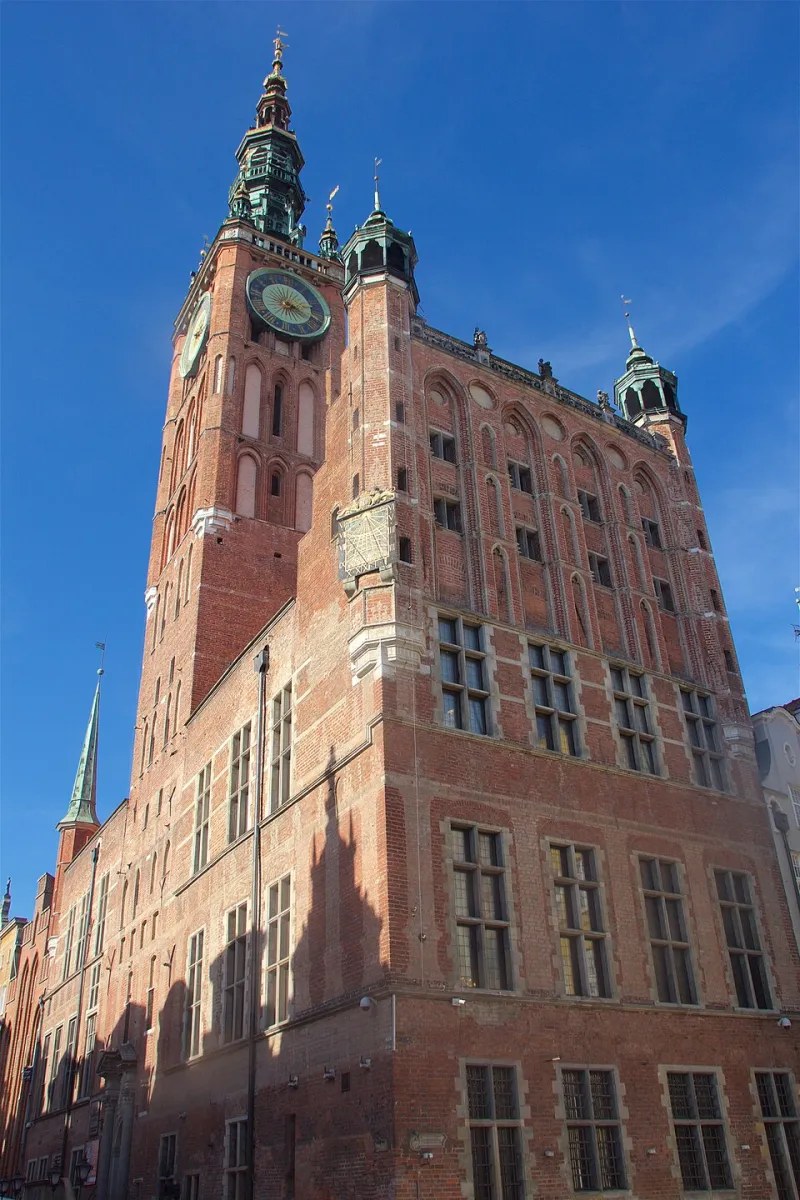
Photo: Photograph by Mike Peel (www.mikepeel.net)., CC BY-SA 4.0, via Wikimedia Commons
The US design industry is often described as if it runs along two coastlines and a few large metropolitan corridors. That description is convenient for conference panels and misleading for independent studio owners in Cincinnati, Boise, Chattanooga, or rural Kansas. The market outside the coastal hubs is not a smaller version of the coastal market. It has its own client mix, its own pricing references, and its own relationship economy. For studios willing to read those differences accurately, the geography is an advantage rather than a limitation.
The geography of opportunity
Secondary and rural markets are not monolithic. A studio in a mid-sized manufacturing city may serve regional industrial clients, healthcare systems, and community banks. A studio in a tourism region may work with hospitality operators, outdoor brands, and municipal agencies. A practice in a university town may find steady demand from research centers, cultural institutions, and local startups. What these markets share is a client base that needs professional design but often lacks the in-house capacity or the procurement vocabulary of a coastal corporate buyer.
That gap creates opportunity, but it also creates a pricing challenge. Clients in smaller markets may have fewer comparable design purchases to reference. They may compare a brand system to a print job or a website to a template subscription. The studio’s first task is not to lower its rate. It is to make the scope legible.
Pricing without apology
The most common mistake among independent studios outside major hubs is to treat local cost of living as a discount code. Lower overhead can support competitive pricing, but it does not justify undervaluing the work. A studio that prices by anxiety will attract clients who treat design as a commodity and will struggle to fund the senior judgment that makes the work reliable.
A better approach is to publish minimum project sizes, define service tiers, and price to the problem rather than the zip code. A identity system for a regional healthcare network is not cheaper because the studio is in a smaller city; the problem is the same size. The studio may choose a leaner process, but the fee should reflect the decisions, the risk, and the years of experience being applied.
Productized offers help. A fixed-scope brand audit, a website accessibility review, or a packaging refresh can give local clients a clear entry point without forcing the studio into hourly billing. Retainers can stabilize cash flow when project work is seasonal. The point is not to imitate coastal rate cards. It is to create pricing structures that fit the local buying rhythm while protecting the studio’s margin.
Networks that compound
In a small market, reputation travels faster than advertising. A studio that does good work for a respected local institution will be discussed in rooms it never enters. That is an asset, but it is not automatic. Networks have to be built deliberately and maintained with the same discipline as client work.
Local chambers of commerce, economic development offices, universities, and nonprofit boards are not decorative affiliations. They are sources of referrals, procurement intelligence, and early warning about projects before they are public. Architects, developers, printers, photographers, and marketing consultants can become steady partners. A studio that becomes known as the practice that shows up, explains its process, and does not disappear after the invoice will find that its business development costs fall over time.
FNAD’s regional member conversations suggest that the most resilient studios treat networking as a year-round practice rather than a scramble when the pipeline thins. Small roundtables, studio visits, and co-hosted events can be more effective than a booth at a distant conference. The goal is not to work every room. It is to become a reliable node in a local professional network.
Talent and the retention question
Remote work has widened the talent map, but it has also widened the competition. A studio in a secondary market can now hire a senior designer who wants to live near family, but that designer can also work for a coastal firm from the same kitchen table. Retention depends on more than location.
Studios that thrive tend to offer ownership of work, predictable hours, and a credible path to seniority. They build relationships with local design programs and offer apprenticeships that give early-career designers real client exposure under supervision. They use contractors for specialist skills rather than pretending to be full-service. And they are honest about the tradeoffs: a smaller market may offer fewer marquee clients, but it can offer a saner pace, lower housing costs, and a clearer view of the whole business.
Regional identity as positioning
A studio outside a coastal hub should not try to look like a coastal studio with worse weather. Clients can smell imitation. The stronger position is specificity. A practice in a manufacturing town can speak credibly about industrial workflows, technical documentation, and trade audiences. A studio in a tourism region can design for seasonal operations, wayfinding, and hospitality. A practice in an agricultural area can understand the rhythms of growers, distributors, and rural banks.
That local fluency is not nostalgia. It is market research that a remote competitor cannot easily replicate. It shows up in photography, copy, material choices, and the questions a designer asks in the first meeting. Regional identity becomes a business advantage when it is used to reduce client risk and shorten the distance between the studio and the customer’s world.
A measured outlook
The practical outlook for 2026 is not a boom-or-bust story. Clients in secondary and rural markets are likely to remain cost-conscious, but they also value local accountability and continuity. Studios that have built networks, clarified their pricing, and documented their processes are better positioned than those waiting for the coastal market to notice them.
The advantage of the second city is not that it is easier. It is that the rules are different, and different rules reward studios that pay attention. For independent US designers, the work is to build a practice that belongs to its place without being limited by it.